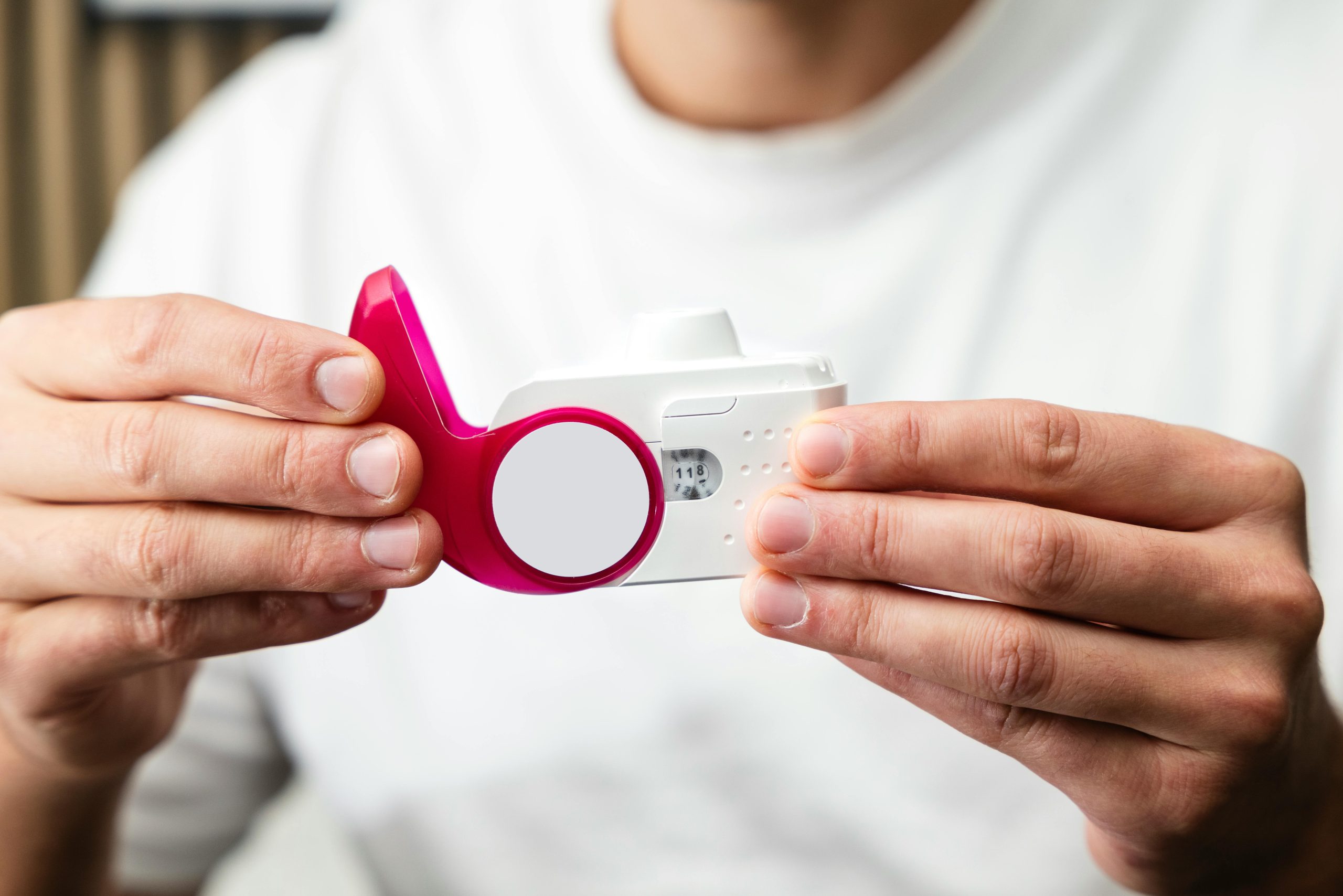
Gaining issuance of a patent for novel medical devices constitutes a milestone, but does not guarantee commercial success in the market. Assessing commercial value requires a balancing of patient benefits against market sizes, development costs, and regulatory requirements. We will evaluate real-world commercial viability of patented medical devices.
Assessing Patient Value
Successful medical devices deliver significant therapeutic value over prior are medical devices. These therapeutic gains justify adoption of the new medical devices over previous alternative medical devices. Quantifying overall therapeutic value for a patient requires weighing:
- Efficacy – To what degrees does the device improve reliable diagnosis, quality of life, recovery speeds over current solutions?
- Side Effects – How much does the technology minimize patient discomfort, invasive damage, complications risk or other collateral drawbacks?
- Cost Savings – Can the invention curtail expenses systemwide across testing needs, staff involvement, hospital stays or recovery treatment versus prevailing approaches?
Clinical trial testing should provide credible data indicating the efficacy, risk and economic factors. Patented devices delivering only incremental gains face adoption problems. However, breakthrough utility should prove to be adopted rapidly.
Evaluating Addressable Market Scale
The total market sizes relating to medical patents also factor hugely in their commercial prospects. Relevant considerations include:
- Patient Pool – What incidence rate surrounds the clinical populations most benefiting from the device? Less common serious diseases may justify the costs, but limit volume. Common chronic or severe diseases result in larger markets.
- Existing Alternatives – Tio what extent does the patented device displace satisfactory therapies or fill previously unmet needs? Supplanting entrenched options with only minor improvements rarely succeeds without significant marketing.
- Economic Circumstances – Does the patented device target elective or cosmetic procedures or medically essential procedures? The target population may not realistically afford the patented device if not at least partially covered by medical insutance?
- Global Markets – Can regulatory hurdles be overcome in foreign countries to open a wider market? Will the patented device be paid for in countries with socialized medicine?
Segment analysis gauging targetable markets in granular detail provides a reality check. This is then used to determine if it is economically feasible to file for patent protection in various foreign jurisdictions.
Evaluating Required Investments
Projecting development expenditures gives further clarity on commercial prospects with expenses including:
- Prototype Iterations – Initial medical device designs routinely fail first clinical tests. Many R&D refinements may be required to result in a ‘design freeze’ that will be the mass-produced design.
- Regulatory Approvals – Navigating regulatory submissions, supplemental trial data requests and policy negotiations to satisfy FDA marketing consent requirements varies hugely between classifications. Premarket approval may stretch for years for higher risk devices.
- Manufacturing – Graduating from engineering prototypes to mass-produced, medical-grade commercial products that must meet stringent quality requirements, commonly require expensive manufacturing and supply changes. These are implemented long before attaining profitability.
- Distribution Logistics – Establishing warehouses, shipment infrastructure, field technician teams to assist implementations, and enterprise software tracking medical device lot inventories, maintenance, warranty claims etc. result in additional costs.
Thus, even armed with formidable patent protection, transforming patented medical devices into products suitable for sale requires steep financial, operational and commercialization expenses testing resolve before reaping potential windfalls.
Carefully vetting clinical values, addressable markets, and development roadblocks allows medical device entrepreneurs to ascertain which patented inventions merit commercialization, despite the risks. Not all medical devices qualify. But those that do, redefine healthcare and provide substantial rewards for the patentees.
Contact Zale Patent Law Inc. for help with your medical device patent.